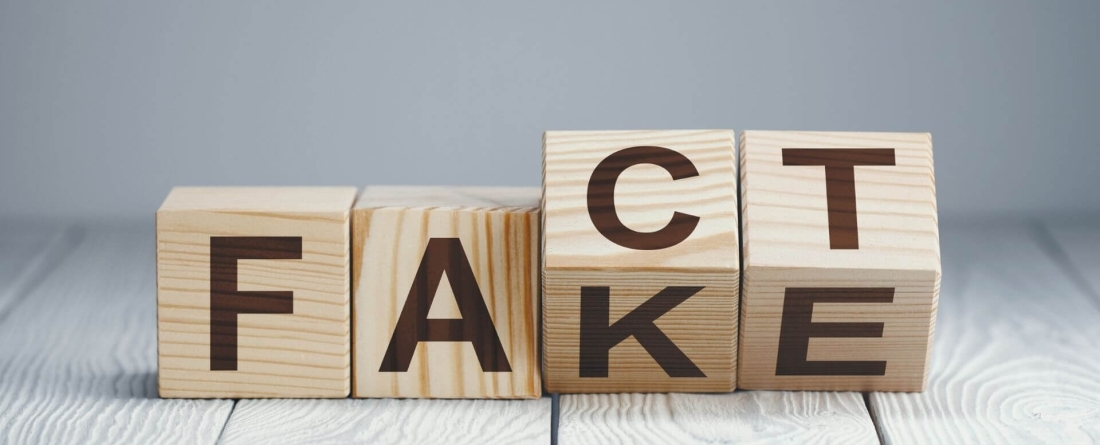
Media Literacy

In our digital age, we have a whole world of information at our fingertips. While we now have access to more information than ever, technology makes it very easy to spread false information that can confuse and influence the public. It is our responsibility as information seekers to make sure we are verifying the information we find and assessing it critically to keep our digital spaces safe, truthful, and respectful.

Information Literacy: Information literacy is the ability to recognize when information is needed, and to effectively find, evaluate, organize, and use that information to solve problems and make decisions. It encompasses not just research skills, but also critical thinking and an understanding of the legal and ethical implications of information use. (ALA, 2025)

Digital Media Literacy: Digital media literacy is the ability to think critically about the media we consume, and to access, use, and engage with with digital media of all kind in an effective, responsible, and meaningful way. (Media Smarts, 2025)
Misinformation

False information shared without intent to deceive.

Example: Sharing an outdated health tip thinking it’s true.

Disinformation

False information shared with the intent to deceive.

Example: Fake headlines created to manipulate opinions.

Media Smarts

A Canadian run non-profit that creates research and resources for digital literacy education. They provide free educational tools for teachers, parents, and the public.

Common Sense Education

An American non-profit that provides educational resources centering around digital literacy and digital citizenship for grades k-12.

Common Sense Media

This website provides age ratings and content guides for different media types, such as movies, books, gaming, and more.

CNTRL-F

A Canadian organization that provides a free "digital media literacy program that equips students with the habits and skills they need to find and evaluate online information and to determine what to trust." They offer games, videos, activities, and curriculum tips for parents and educators.

CIVIX

A Canadian organization that provides hands on teaching resources about democracy and citizenship in Canada.

  • The best way to fight misinformation online is to use Lateral Reading: an online information evaluation technique that involves leaving the current website you're on to open new tabs and search for information about the source's credibility, bias, and the context of the claims being made. Instead of reading an article from top to bottom (vertical reading), lateral reading encourages quickly switching between tabs to compare information and assess the trustworthiness of the original source by seeing what other trusted sources say about it. (News Literacy Project, 2025)
  • Use a Fact Checking Site. These sites allow you to search news stories, headlines, and rumors. The site will provide a summary of the issue, a rating on the information (such as true, false, scam, research in progress, etc.), and the sources it used to draw that conclusion.
  • Use Google’s reverse image search function to find the actual source of a viral image

These games and activities will give you the skills you need to fight misinformation and disinformation at the source:

Harmony Square
Can you disrupt the peace of Harmony Square by learning the techniques of social media trolls? Once you learn the tricks of this quick web game, you’ll be less likely to get fooled!

Break the Fake
Games and quick videos to help you spot the fake stuff – if you only have a minute, check out the video on four easy ways to fact-check.

Stanford – Civic Online Reasoning (COR)
An online curriculum providing free bite-sized lessons and assessments to help teach students – and ourselves – how to evaluate online information.

Check Out Our Media Literacy Week Posters!

Fake-News-Pic.png

Fake News!

Social-Media-Pic.png

Social Media

AI-Pic.png

Artificial Intelligence

Contact Us

Orillia Public Library
36 Mississaga Street West
Orillia, Ontario
L3V 3A6
Email: info@orilliapubliclibrary.ca
Phone: 705-325-2338
Fax: 705-327-1744

Opening hours

Monday 10am-8pm

Tuesday 10am-8pm

Wednesday 10am-8pm

Thursday 10am-8pm

Friday 10am-6pm

Saturday 9am-5pm

Sunday Closed